Why Some Businesses Now Pay for Website Visits Instead of Advertising Clicks
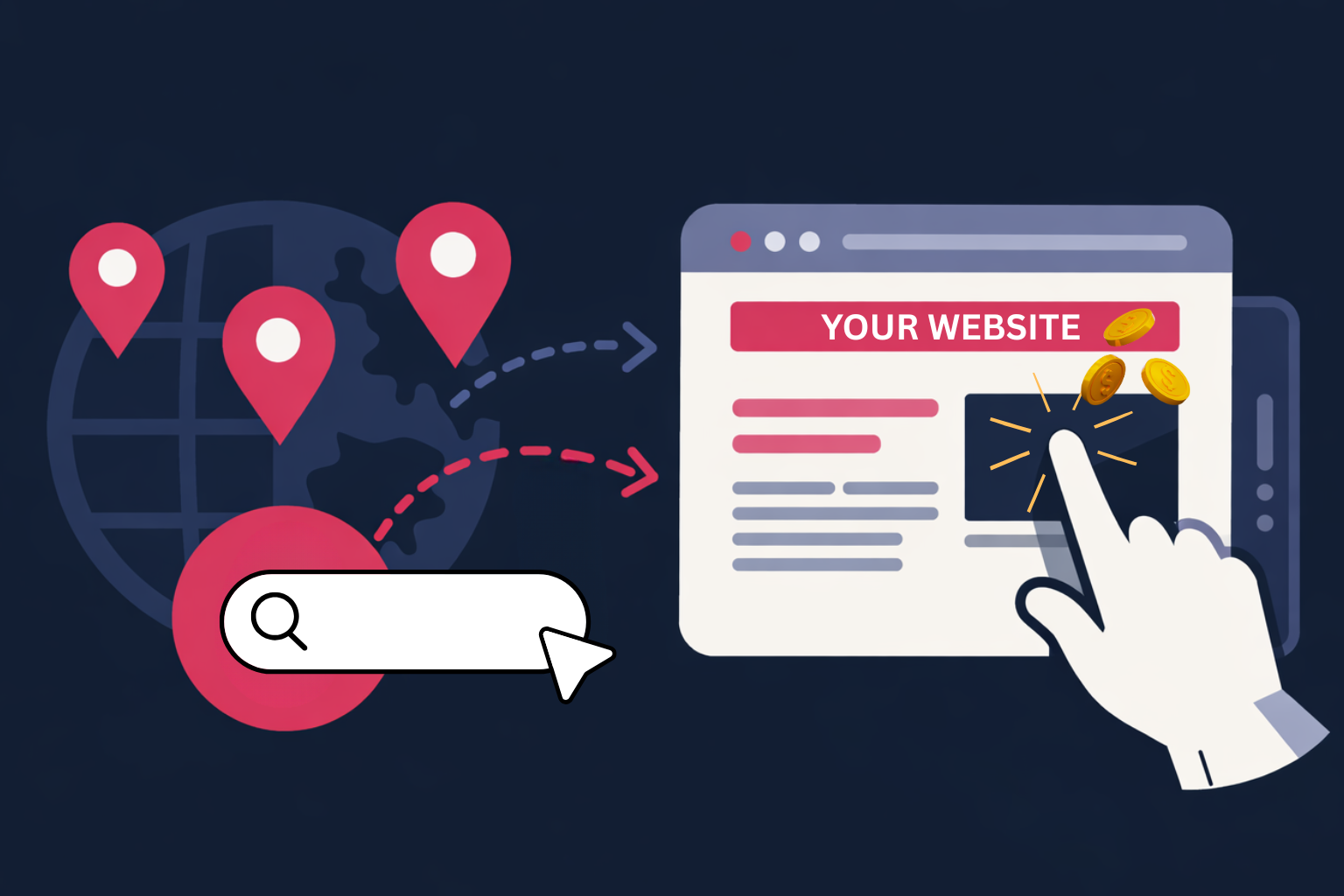
For many years, most online advertising worked the same way: businesses paid when someone clicked an advert or when their advert was shown to a large audience.
In practice, this system does not always match what businesses actually want.
A click does not always mean that a person reached the website successfully. Technical issues, slow loading pages, accidental clicks, or automated traffic can sometimes interrupt the process before a visitor ever arrives.
As a result, many businesses have started paying closer attention to a simpler question:
Did a real visitor actually reach the website?
This shift in thinking is gradually changing how some companies approach online traffic.
The Difference Between Clicks and Real Visits
A click and a website visit are not always the same thing.
A click is simply an interaction with an advert or link. It happens before the website loads.
A website visit, however, only occurs once the page successfully loads and the visitor begins interacting with the site.
Several things can prevent a click from turning into a real visit:
-
slow loading pages
-
mobile connection interruptions
-
browser blocks or redirects
-
accidental taps on mobile devices
-
automated traffic
Because of this gap, some businesses have started exploring models where the cost is connected more directly to confirmed website visits rather than raw clicks.
Why Businesses Care More About Visits Than Impressions
From a business perspective, the outcome that matters most is simple:
someone arriving on the website.
That visit is the moment when a potential customer can:
-
read service descriptions
-
see examples of work
-
check contact details
-
submit an enquiry
Advertising impressions or clicks only matter if they eventually lead to that step.
For this reason, many companies now look at marketing activity through a very practical lens:
how many people actually reached the website.
A Growing Interest in Pay-Per-Visit Models
In response to these concerns, some newer advertising systems focus on a different structure.
Instead of paying for impressions or for clicks alone, the cost is tied to verified website visits.
In this model:
-
a person searches or browses online
-
they are directed toward a business website
-
the visit is confirmed once the page loads
Only at that point does the cost apply.
This approach aims to connect advertising spend more closely to the moment when a potential customer actually arrives on the site.
Why This Approach Appeals to Service Businesses
For local and service-based businesses, website visits are often the step that leads to real enquiries.
A typical journey might look like this:
search → website visit → enquiry → booking
Because of this, some businesses feel more comfortable when their marketing cost is linked to the stage where a visitor reaches the website rather than earlier advertising signals.
It does not remove all risk from advertising, but it can make the relationship between cost and visitor traffic easier to understand.
Some businesses see this model as a way to reduce uncertainty in digital advertising. By tying cost to confirmed visits, they gain a clearer picture of how marketing spend relates to actual customer activity.
The Bigger Shift Behind This Change
The growing interest in visit-based models reflects a broader change in digital marketing.
Businesses are increasingly focused on measurable outcomes rather than activity metrics.
Instead of asking:
“How many impressions did we get?”
They are asking:
“How many real visitors reached our website?”
As digital marketing continues to evolve, more companies are likely to explore approaches that connect advertising cost more directly to genuine customer traffic.
For service-based businesses in particular, understanding the difference between clicks, visits, and real enquiries is becoming an important part of evaluating how online marketing works.