Why Local Customers Prefer Businesses That Explain Their Work With Examples
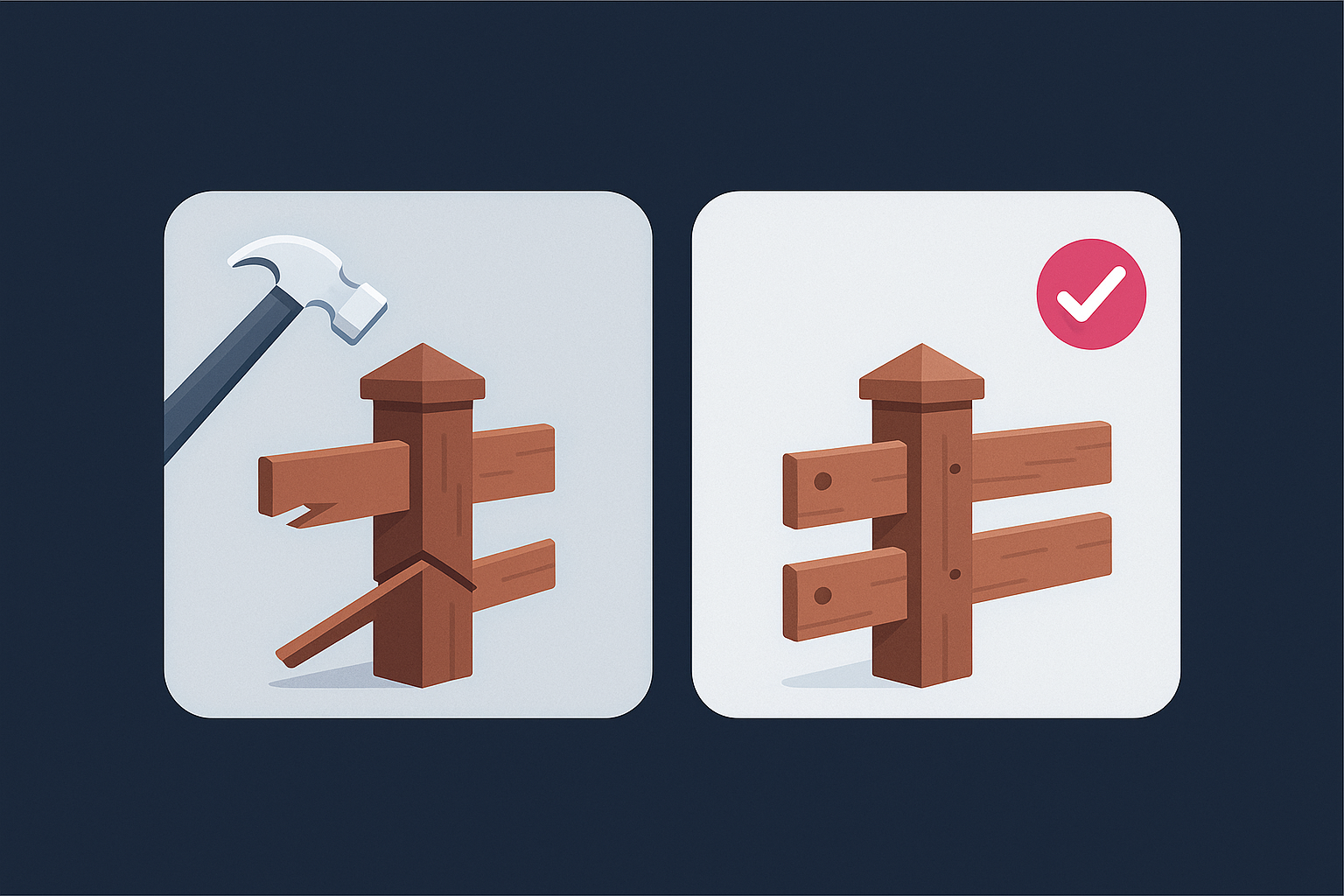
Most local customers want a clearer sense of what a business actually does before they make contact. Many service descriptions feel too general, leaving people unsure whether a provider handles situations similar to their own. To address this, more local businesses are starting to include short, practical examples of their work.
These examples make everyday services easier to understand and give customers something concrete to compare.
Why examples matter
When people skim a website or online profile, they are looking for quick reassurance. They want simple proof that the business understands situations like theirs.
Research on online decision-making suggests that people respond more quickly when they recognise familiar scenarios. Short examples help customers identify their own problem in what they are reading and reduce the effort needed to understand the service.
A few typical scenarios can communicate more clarity than long descriptions.
What customers notice first
Small, everyday examples give customers an instant sense of experience. For instance:
-
fixing a leaning fence panel after a storm
-
replacing damaged boards on a small garden boundary
-
installing new posts for a sagging section of fencing
Studies on customer behaviour show that people often look for signs of practical experience before they look at longer descriptions. These details help customers picture how the business might handle their own project. They reduce uncertainty and make the next step feel easier.
Reducing hesitation and uncertainty
Many customers hesitate to make contact when they cannot visualise the work involved or how long it might take. Clear examples make the process feel more transparent.
Behaviour research suggests that people feel more confident when they can see how a provider has approached similar situations. Examples also add a human element by showing the kinds of real scenarios the business deals with regularly. For many customers, this creates confidence faster than general statements.
Helping customers compare providers
Examples also make comparison easier.
When customers see specific scenarios, they can quickly work out which businesses seem to understand their needs best. This often shapes decisions earlier — before customers read longer descriptions or request quotes.
Research into comparison habits shows that concrete examples help people judge “fit” more quickly. A few well-chosen examples can communicate experience far more effectively than broad wording.
Why this matters in 2026
As online behaviour continues to shift toward faster scanning and shorter attention spans, practical examples are becoming a simple but useful part of how local businesses communicate.
They help customers:
-
understand the scope of the work
-
reduce uncertainty
-
feel more confident about making an enquiry
-
choose providers who appear more straightforward and trustworthy
These small additions often improve how customers interpret service information and decide who to contact first.